We live in an age of unprecedented political polarization. From the streets of London to the squares of Berlin, societies across Europe seem more fractured than ever, with radical voices gaining traction on both the left and the right. While many factors contribute to this phenomenon, one often overlooked but deeply impactful element is the decline in public investment in education. Could the erosion of our schools be quietly contributing to the rise of extremism and the hardening of political attitudes?
The Unseen Link: Education and Political Resilience
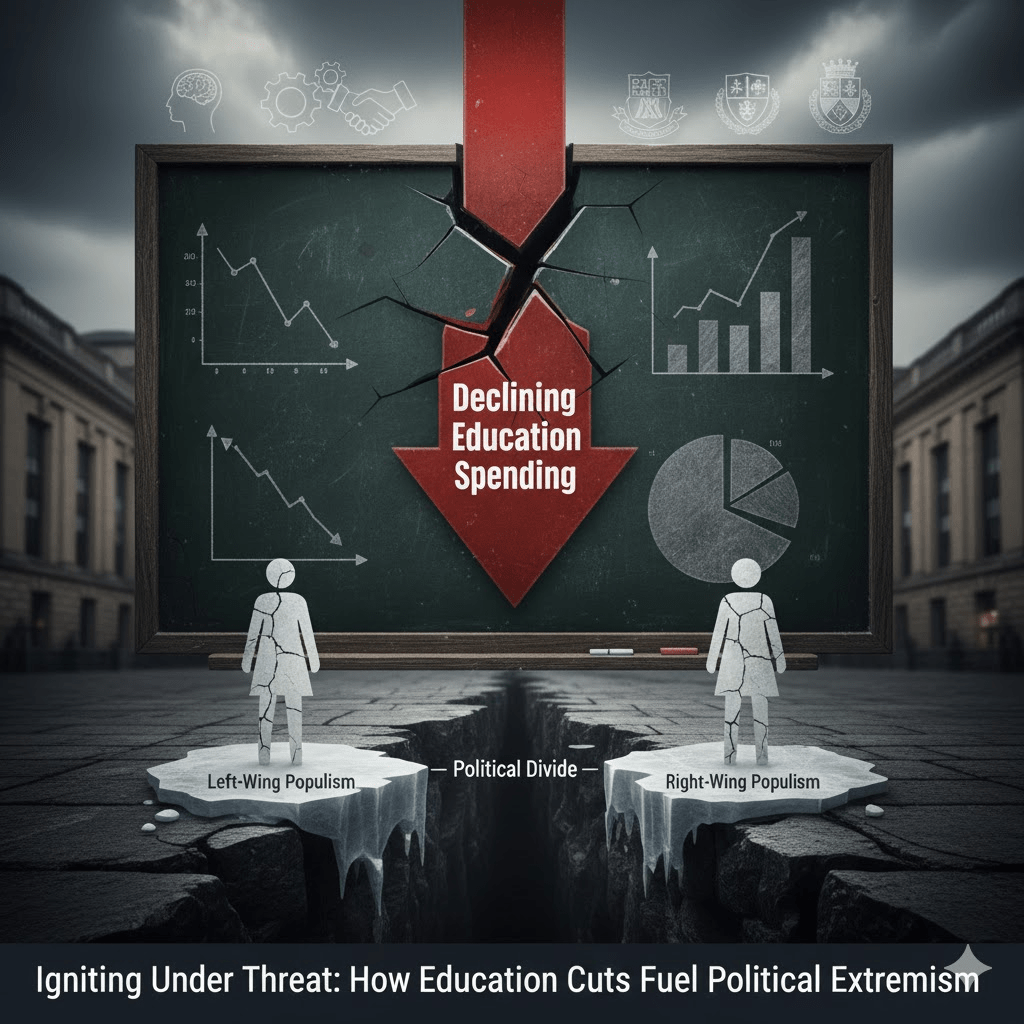
At its core, quality education isn’t just about job skills; it’s about building engaged, critically thinking citizens. It’s about fostering tolerance, civic literacy, and the ability to navigate complex information. When investment in education wanes, these foundational pillars of a stable democracy begin to crack.
- Erosion of Critical Thinking: Underfunded education systems often sacrifice robust humanities, social studies, and even scientific inquiry for rote learning. This leaves individuals less equipped to analyze complex issues, evaluate information critically, and discern fact from sensationalism. Simplistic, emotionally charged narratives, often peddled by radical groups, become more appealing.
- Declining Civic Skills: A strong education teaches us how to be citizens – how democratic processes work, the value of compromise, and the importance of civic participation. When this declines, people can feel alienated from the political process, believing their voice doesn’t matter. This vacuum can be filled by extremist ideologies that promise radical change and a clear enemy.
- Fueling Disillusionment: For many, education is the pathway to opportunity. When the quality of that pathway diminishes, especially for disadvantaged communities, it can lead to economic frustration and a sense of being left behind. This fertile ground of disillusionment is exactly where anti-establishment and radical movements seek to recruit.
The Quiet Erosion Visualized:
Coming Next:
In our next post, we’ll dive into the specific data from the UK and Europe, exploring the direct correlations between education spending trends, austerity measures, and the dramatic shifts in political landscapes since 1946. We’ll also examine which political leanings tend to accelerate or reverse these trends. Stay tuned!
Check out my other posts:
Discover more from Hysnaps Politics, Gaming, Music and Mental Health
Subscribe to get the latest posts sent to your email.


5 thoughts on “The Quiet Erosion: Is Declining Education Investment Fuelling Our Political Divide?”