
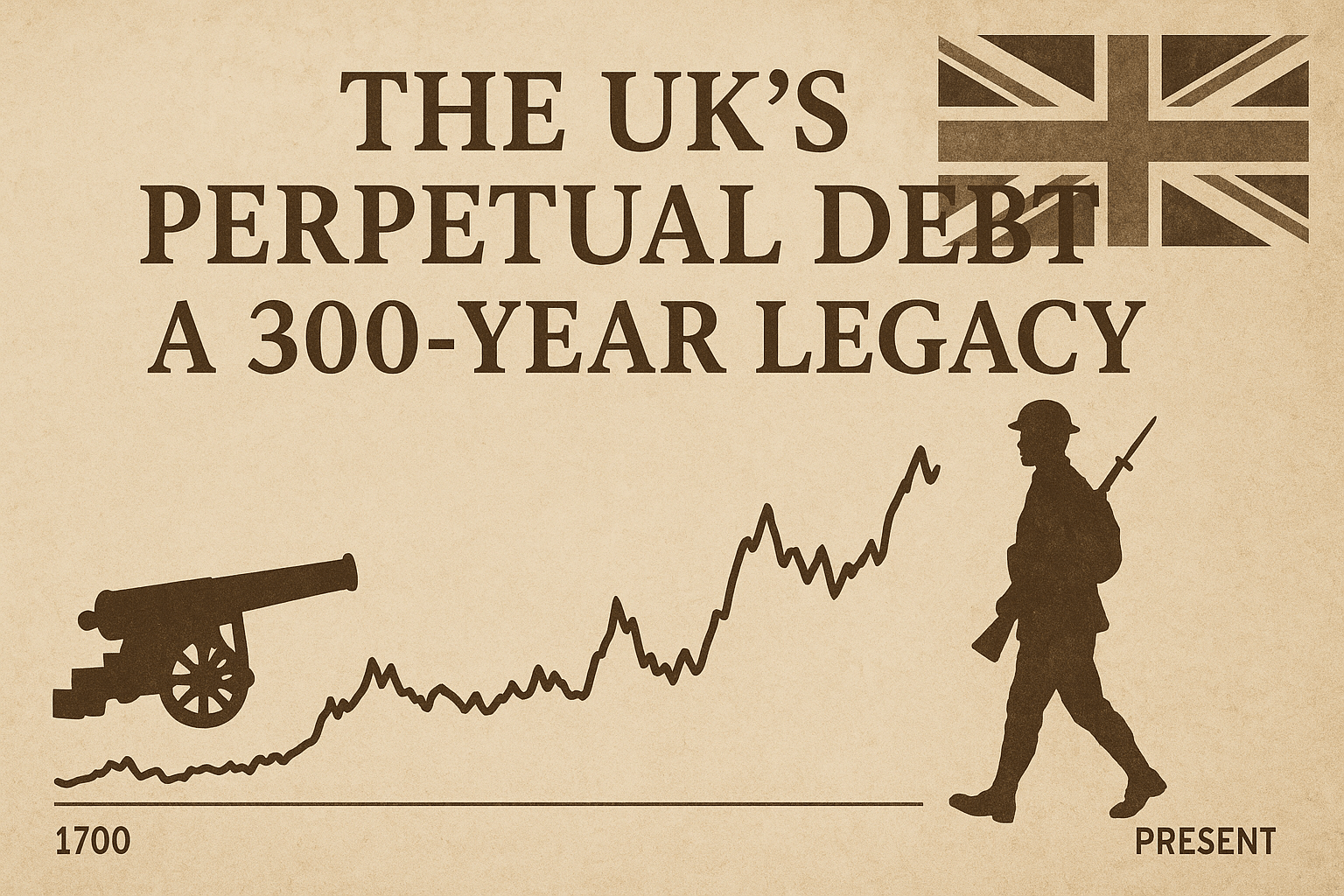
The Victorian era’s successful debt management ended in 1898 when the UK decided to spend vast sums of money to keep South Africa. This commitment saw defence expenditure soar from £48 million to £74 million, then £112 million, peaking at £119 million before declining back to £100 million and £76 million.
The UK spent £140 million on the war and ended up with continually higher defence spending thereafter to maintain control. That represented more than the total Government income for 1899. This massive outlay immediately reversed the trend of debt reduction that had taken nearly half a century to achieve.
Who Benefitted Financially?
The question of who benefited financially from the Second Boer War (1899-1902) is complex, as the war was incredibly costly but resulted in certain groups and interests gaining or securing wealth. The primary beneficiaries and motivations revolved around the vast mineral wealth of the region, particularly the Witwatersrand gold fields in the Transvaal (one of the Boer republics).
The Mining Magnates and Financiers
This group was the core financial driver of the conflict.
- The “Randlords”: A small, international group of mining magnates and financiers (like Cecil Rhodes, Alfred Beit, and the Rothschilds) who controlled the gold and diamond industries in South Africa. Their ultimate financial interest lay in securing a stable, cheap, and favourable environment for gold mining, which they believed would be achieved under British imperial rule. They sought lower operating costs and favourable policies, which they felt the independent Boer governments restricted. While the war initially caused their stock market shares to slump, the overall goal was to secure long-term control over the world’s largest gold-producing complex.
- Bondholders and Investors: Holders of South African Republic bonds benefited because British victory led to the assumption of the South African debt by the victorious British government. British war loans were also subscribed to by domestic and international investors, who gained interest.
British Empire and Related Entities
The strategic victory secured major long-term benefits for the British financial system.
- British Imperial Control: The British government ultimately gained political and economic control over the Witwatersrand gold fields, a crucial resource for the global gold standard, which was fundamental to the British monetary system.
- Local Businesses and Suppliers (Short-Term): British military expenditure in South Africa—a massive sum—pumped money into the local economy, stimulating demand for commodities and providing financial relief to certain areas and businesses, particularly those who traded with the British forces.
- Loyalist Claimants: British loyalists, and to a lesser extent some Boer individuals and neutral foreigners who suffered losses during the war, were compensated by the British government through various commissions and post-war funds.
The Boers (Paradoxical Benefit)
In a highly unusual move for a victorious power, the defeated Boers received substantial reconstruction aid.
- Compensation and Reparations: The British government agreed to pay substantial reparations to the defeated Boer republics as part of the Treaty of Vereeniging. The funds were used to rebuild infrastructure (roads, bridges) and provide relief, seeds, and farm implements to the Boers displaced by the war. This was a financial benefit intended to facilitate post-war reconstruction and ease tensions.
In summary, the gold industry’s financiers and the long-term strategic interests of the British Empire were the key financial beneficiaries, alongside the unexpected, necessary compensation and reconstruction funds paid out by Britain to the Boers and loyalists after the war. The UK populace, however, was left with a £140 million debt and a 44-year fiscal effort undone.
Next I wish to look at the last 123 years in a bit more detail – yep there are a couple more very expensive wars and the introduction of Social Services and Care funded by the Government – which have led to the issues discussed in The Infinite Horizon. The Quiet Erosion and The Poverty Politics.



Discover more from Hysnaps Politics, Gaming, Music and Mental Health
Subscribe to get the latest posts sent to your email.

