So as the year draws to an end I thought I do a quick thank you and recap on the year.
Don’t worry this won’t be a political analysis of the year – others will and have done that better than I can elsewhere. It will just be a look at this blog.
Hysnaps Politics, Gaming, Music and Mental Health
Politics, Gaming, Music, Mental Health And other stuff.. Updated when Able

So as the year draws to an end I thought I do a quick thank you and recap on the year.
Don’t worry this won’t be a political analysis of the year – others will and have done that better than I can elsewhere. It will just be a look at this blog.
AND WHAT THE UK COULD LEARN
The UK is not alone in running a universal health system.
But it is almost unique in constantly rebuilding its health architecture.
Other countries rearrange their health systems about as often as they repaint post boxes.
We rebuild ours like a kitchen remodel every election cycle.
So let’s explore systems that actually work — and what they teach us.
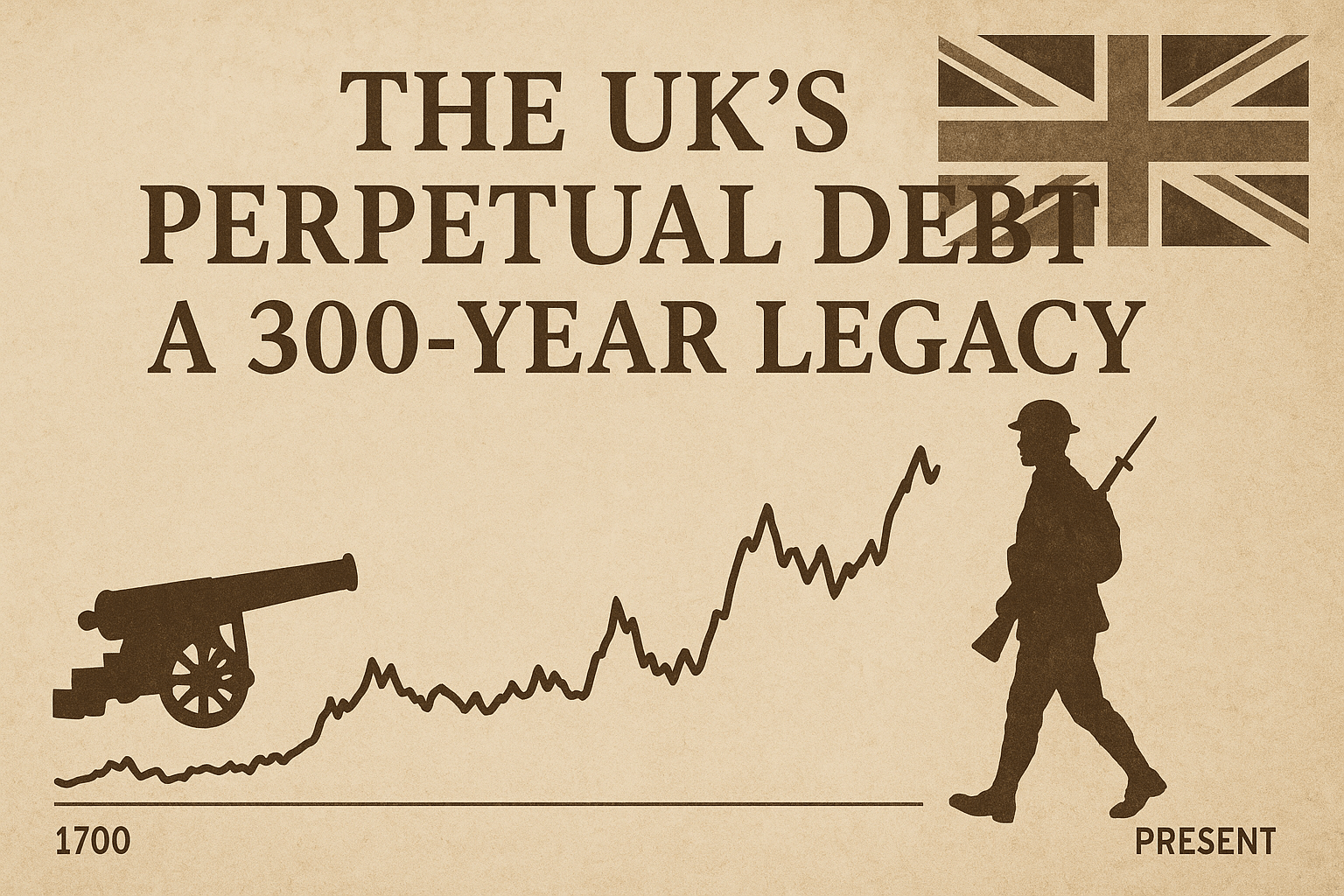
So a bit bored waiting for new year’s eve to arrive, I thought I’d let googles NotebookLM have ago at producing a small video to explain one of my series.
I decided to give my series on Uk Government Debt the honour – so below is an AI generated video (cos I really have no good skills at this) providing a 6 min guide to the UK Government Debt addiction.
STRUCTURE, ECONOMICS AND INCENTIVES
In Part I we saw how the internal market emerged.
Part II explains why it never achieved what its architects intended.
The answer lies not in ideology, but in economics and structure.
There’s a line often attributed to the Roman army:
“The only constant is change.”
If that doesn’t describe the NHS, nothing does.
And during the 1990s, when yet another restructure rolled in, someone in a Birmingham hospital taped a follow-up note to the management accounts department wall: (this was in a time before email – yes ask your historians there was such a time)
“Due to further cuts, the light at the end of the tunnel has been switched off.”
Dark humour, yes — but also a quiet acknowledgement that the NHS experiences more structural churn than almost any other health system on earth.
To understand why the NHS looks the way it does today, and why Birmingham is a perfect case study, we have to go back to the beginning of the internal market era.

Who Pays for a World-Class Education System? A Fairness Test Using Real Households
One of the things that always irritates me about discussions on tax is how abstract they are.
“Raise £100 billion.”
“Shift 5% of GDP.”
“Broaden the base and lower the rate.”
Lovely phrases. Very neat.
Totally useless if you’re trying to understand what it means for actual people.
So, let’s stop talking in quintiles and deciles and fiscal multipliers for a moment.
Let’s talk about real households — the kinds of people you meet in the supermarket queue, in the staffroom, in the café, or at the school gate.
Because if we’re going to build a school system that treats every child the way private schools treat theirs — small classes, stable buildings, real enrichment, proper SEN support — then yes, we need to raise about £100 billion a year in new revenue.
The question is:
Who pays how much? And is that fair?
I’m going to answer that the way life actually works: through stories.
Who really pays for faith schools in the UK?
A deep dive into school funding, religion, and census data reveals a quiet mismatch between who our education system serves — and the assumptions it still makes. The numbers tell a more interesting story than the arguments ever do.

International Comparison Credibility Check
So now we’ve built a detailed, bottom-up picture of what a private-level state system would cost: roughly £130bn a year in recurring spending plus £30–40bn over seven years in capital upgrades.
Big numbers.
But the real question is:
Does any of this sound credible when compared to high-performing countries?
Or have we accidentally reinvented unicorn economics?
Spoiler: the numbers make perfect sense. In fact, our final system looks almost identical to the Nordics.

The Final Numbers: Recurring Costs, Capital Costs, and Post-Year-7 Savings
By this point we’ve walked through the staffing uplift, the buildings uplift, the maintenance uplift, and all the little gears required to make this machine turn.
Now we can finally zoom out and answer the big question:
What does the whole system cost once everything is up and running?
And what changes after the initial build-out phase?
Let’s put the pieces together in one place.

There’s a strange thing about British education policy: we talk endlessly about structures, governance, logos, and accountability frameworks…
…but almost never about the people who actually make the whole thing work.
The teachers. The support staff. The heads. The people who sit in front of actual children, every day, and try to deliver an education system that frequently feels held together with goodwill, duct tape and a borrowed glue stick.
