If you’re like me, when someone says:-
“A lot of the worlds problems are down to the Bourgoisie”
You nod and go
“Ah yes those dreaded Bourgoisie.”
However I have recently decided to listen to the entire of Victor Hugo’s “Les Miserable” (be warned its 67 hours long – no you read that right). Included amongst the story we all think we know from the movie and musical are several indepth essays on History, Politics, Revolution and War.
Now you may be better informed than me and go
“Oh yes thats partly why its such a great book”
I on the other hand, at the indepth analysis of The Battle of Waterloo had to double check that audible hadn’t changed which book I was listening to, anyway I digress.
One of the essays considers the definition of bourgeoisie and I have to say having listened to it I thought I may prefer it to the normal Marxist one.
So as is my habit I went away and looked up the two in order to enable me to compare them, turns out there are more than 2 definitions, and share the comparison with you here.
First up lets start by looking at the range of definitions.
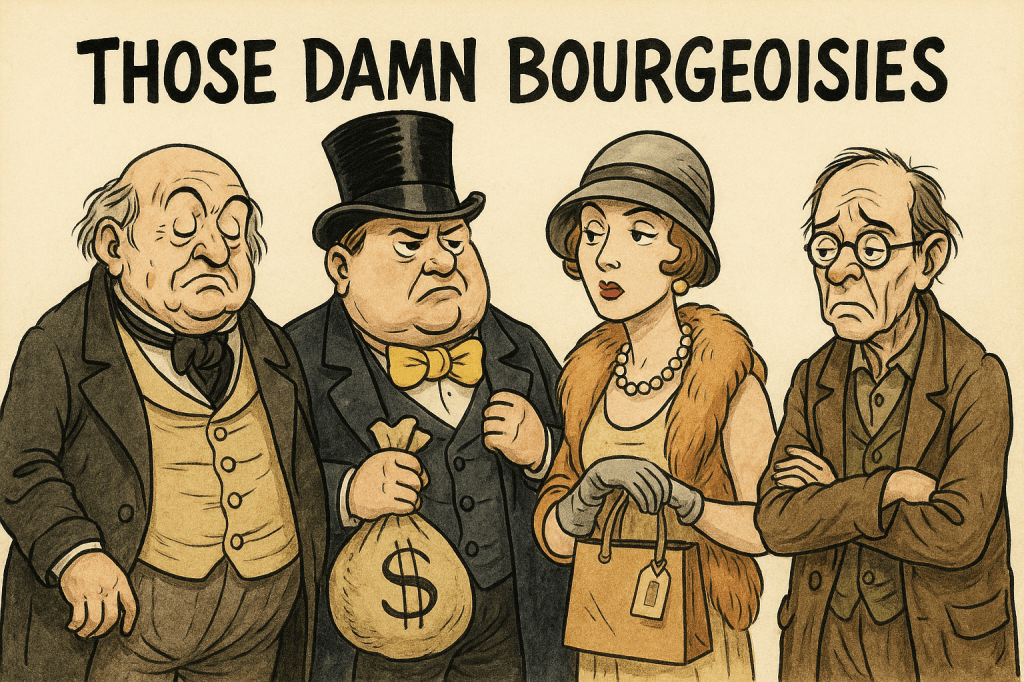
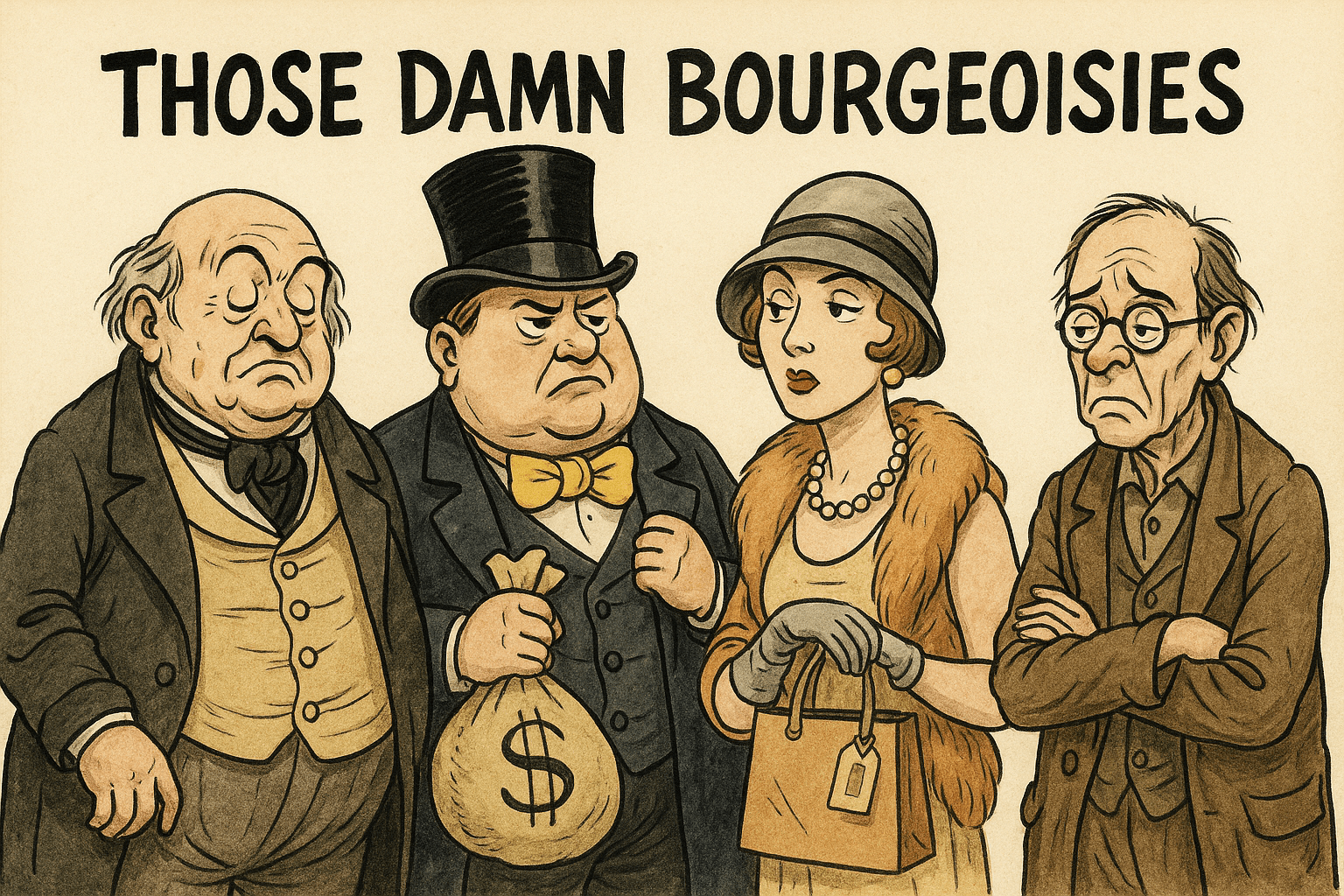
Those Damn Bourgoisies – hold on who do we mean?
So to start with lets look at the original/historical, the Marxist and modern slang definitions.
- Original French/Historical: Historically, the term originated in the Middle Ages to describe the inhabitants of a “bourg” (town). They were the rising merchant, banking, and professional middle class, distinct from the rural peasantry and the land-owning aristocracy. They made money from commerce and self-made success, valuing education and competence.
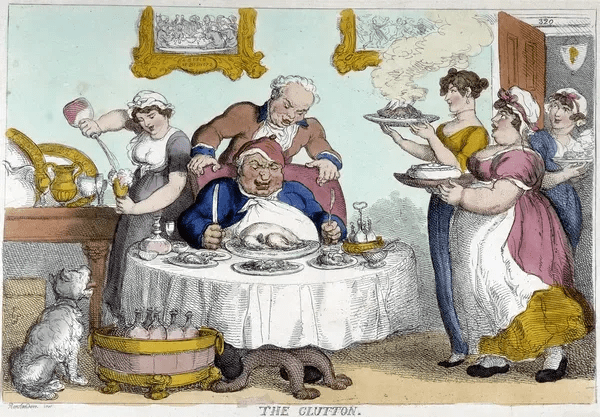
- Marxist Theory: Karl Marx and Friedrich Engels later politicized the term. In their theory of class struggle, the bourgeoisie is the property-owning class that controls the “means of production” (factories, capital, land) and employs the working class (the proletariat). The Marxist definition is a strict economic and political one, focusing on exploitation and class conflict, often using the term pejoratively.
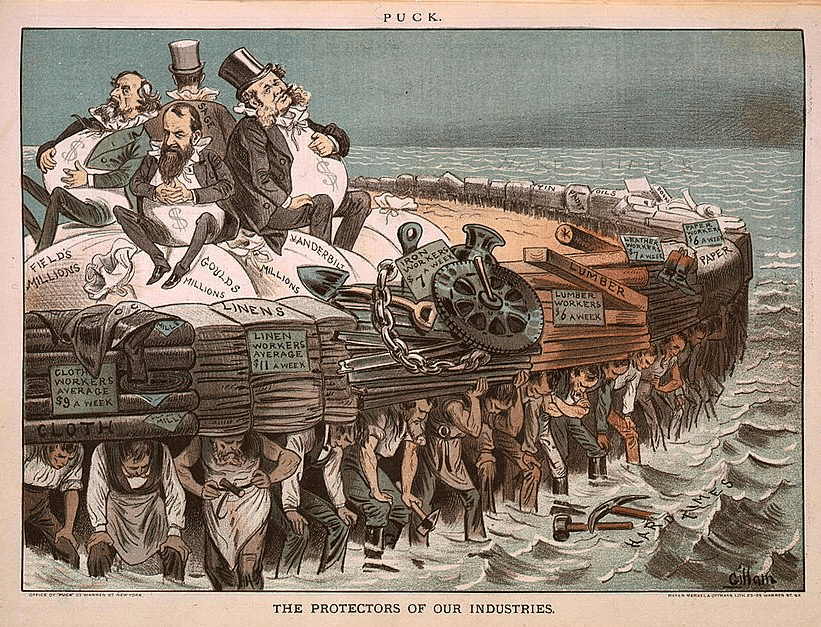
- Modern/Slang: In contemporary English slang, “bourgeois” (or the derivative “bougie”) is often an insult implying someone is materialistic, pretentious, or obsessed with inauthentic, middle-class status symbols. Another slang variant, “boujee,” can describe someone who is self-made and successful but still humble and connected to their roots.
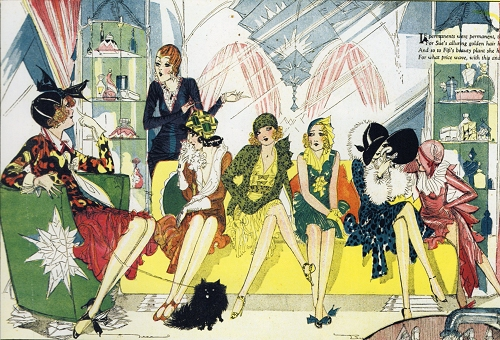
In Les Misérables, written in 1862, Victor Hugo uses the term to describe a specific mindset or state of being rather than a rigid economic class.
His definition emphasizes:
- Contentment and Apathy: Hugo famously states, “The bourgeoisie is simply the contented portion of the people”. They have attained a level of satisfaction that makes them resistant to further social progress or revolution, essentially stopping societal advancement halfway.
- Focus on Self-Interest and Appearance: The bourgeoisie in the novel are depicted as concerned with maintaining their status, respectability, and appearances.
- Moral, Not Just Economic, Failing: For Hugo, the failing of the bourgeoisie is a moral one—their preoccupation with their own comfort makes them blind to the extreme suffering of the “miserables” (the downtrodden). Characters like Jean Valjean, as the wealthy Monsieur Madeleine, initially embody this bourgeois mentality before his moral transformation, which hints at Hugo’s awareness of class issues beyond the typical liberal views of his era.
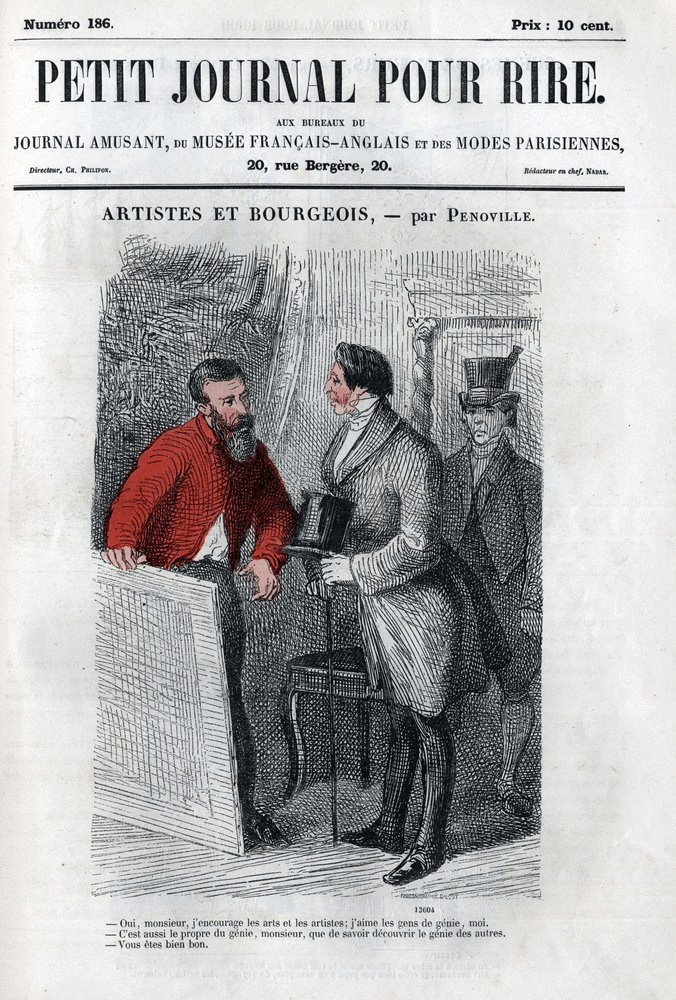
In summary, while other definitions focus on economic power (Marxist) or social status (historical/slang), Hugo’s definition emphasizes a psychological and moral state of complacent self-satisfaction and a lack of social conscience presenting it not strictly as a property-owning, oppressive class, but as the apathetic and self-satisfied “contented portion of the people” who inadvertently perpetuate social injustice through inaction and a focus on self-interest.
So Which Bourgeoisie Creates the Conditions for Fascism?
If your goal is to identify the group that most reliably enables authoritarianism, demagogues, and extremist politics, it’s not necessarily the Marxist bourgeoisie nor the slang “bougie” set.
It’s Hugo’s group:
The contented, apathetic middle.
The people who are comfortable enough to:
- ignore injustices,
- avoid rocking the boat,
- and “not get involved.”
History shows that fascism doesn’t rise because the wealthy demand it or the poor organise for it—it rises when the comfortable middle quietly lets it happen.
That’s Hugo’s bourgeoisie:
those who choose comfort over conscience.
References (All Open / Public Domain Sources Where Applicable)
Primary Texts
- Victor Hugo, Les Misérables (1862) – Public domain
- Karl Marx & Friedrich Engels, The Communist Manifesto (1848) – Public domain
- Marx, Capital Vol. 1 (1867) – Public domain
- Engels, Condition of the Working Class in England (1845) – Public domain
Historical Context & Definitions
- Encyclopaedia Britannica – Bourgeoisie
- Stanford Encyclopedia of Philosophy – Marx’s Theory of History
- History.com – Gilded Age Capitalism
- Musée d’Orsay – Honoré Daumier digital archive (public domain works)
Cartoon Sources (Public Domain Collections)
These archives contain all the image types referenced above and can be used freely:
- Library of Congress Prints & Photographs Division (US)
- The Public Domain Review
- NYPL Digital Collections
- Gallica (Bibliothèque nationale de France)
- Wikimedia Commons (pre-1928 images)
Further Reading (Highly Recommended)
On Class and Social Theory
- E.P. Thompson – The Making of the English Working Class
- Eric Hobsbawm – The Age of Revolution
- Richard Sennett – The Culture of the New Capitalism
- David Graeber – Bullshit Jobs
- Thomas Piketty – Capital in the Twenty-First Century
On Fascism & the Middle Class
- Hannah Arendt – The Origins of Totalitarianism
- Wilhelm Reich – The Mass Psychology of Fascism
- Jason Stanley – How Fascism Works
On Consumerism & Modern Bourgeois Culture
bell hooks – Where We Stand: Class Matters
Thorstein Veblen – The Theory of the Leisure Class
Zygmunt Bauman – Liquid Modernity




Discover more from Hysnaps Politics, Gaming, Music and Mental Health
Subscribe to get the latest posts sent to your email.

