
Every so often a big, tempting question reappears in public debate:
“If the Bank of England owns 30% of UK government debt, isn’t that basically the government owing money to itself?
So why not just cancel it and instantly shrink the national debt?”
On the surface, it sounds beautifully simple.
But as we’ll see, it fails for reasons that are less about maths and more about how modern economies maintain trust.
Let’s unpack this using a metaphor anyone can understand.
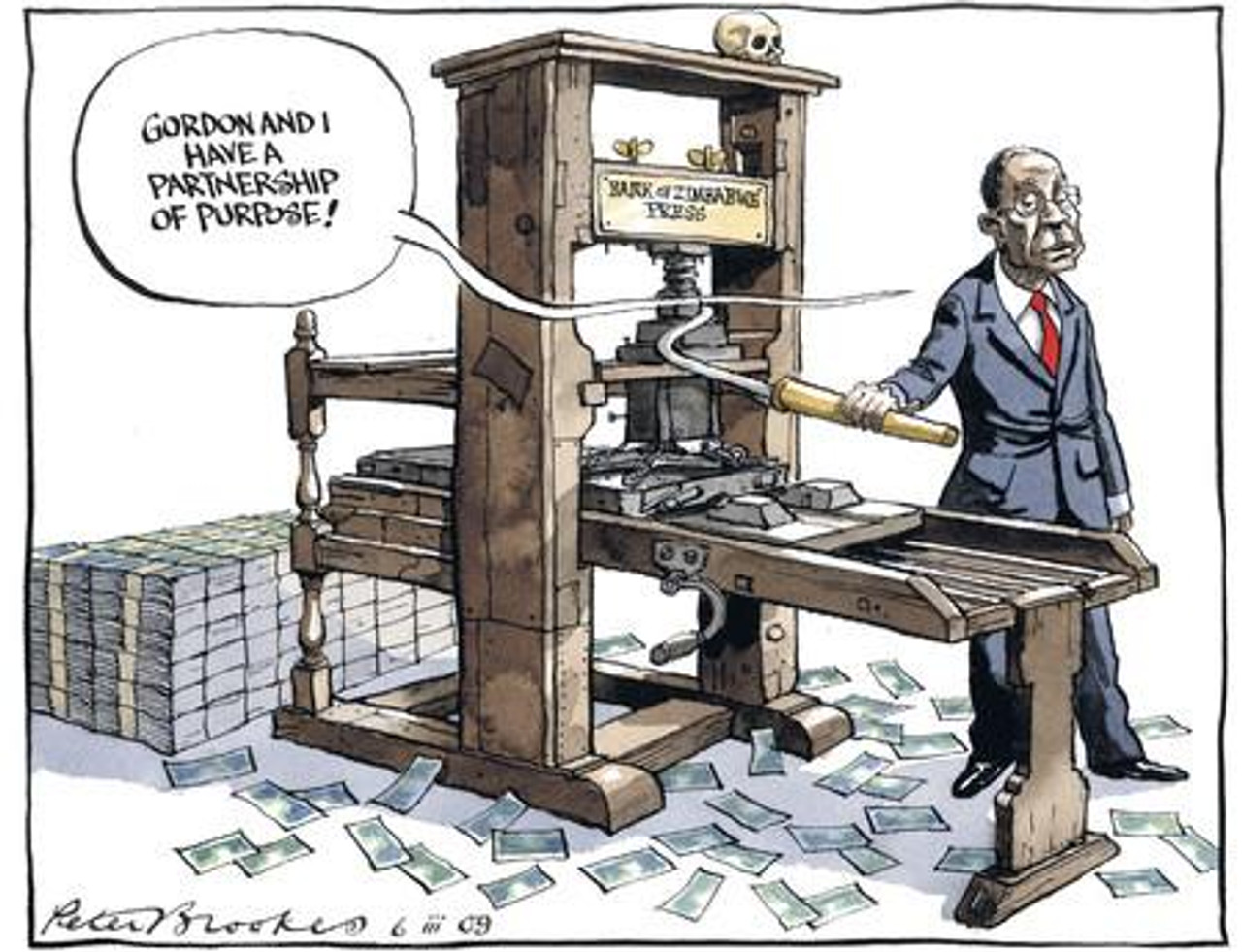
1. The Treasury and the Bank of England Are Like a Parent and Adult Child Sharing a House
They live under the same roof, they’re part of the same family, and ultimately their finances are connected.
But they maintain separate finances for a reason.
- The parent (Treasury) runs the household budget
- The adult child (Bank of England) manages their own money and decisions independently
Independence matters.
If the parent suddenly said:
“I’m cancelling the money I owe you because we’re family,”
the relationship would collapse.
The adult child’s savings would effectively vanish, and no one in the house would trust financial boundaries again.
That is essentially what cancelling QE debt would do.
2. QE Debt Isn’t Just a Number — It’s Backing for the Money the Bank Created
When the Bank of England bought government bonds, it didn’t use taxpayer money; it created new electronic money to do it.
So on its balance sheet:
- Assets: government bonds it bought
- Liabilities: the new money (reserves) it created
If the government cancels the bonds:
- The assets disappear
- The liabilities remain
This leaves a giant financial hole inside the Bank of England — a hole that signals:
“We’re now printing money permanently to pay government bills.”
That’s not a message you ever want markets to hear.
3. Cancel the Debt and You Trigger a Credibility Shock
Financial markets react to signals, not intentions.
If the UK cancelled its central-bank-held debt, investors would assume:
- The Bank is no longer independent
- The government might repeat this trick
- Future borrowing is riskier
- Inflation is more likely
And they would respond exactly as you’d expect cautious lenders to respond:
📈 Charge higher interest to lend to the UK
💷 Move money out of sterling
🔥 Price in long-term inflation risks
In other words, cancelling debt pushes up the very costs it was meant to reduce.
4. Cancelling the Debt Doesn’t Even Save Money
This is the surprise ending.
Right now:
- The government pays interest on the bonds
- The Bank pays interest on reserves created by QE
- The Treasury is legally responsible for covering any Bank of England losses
Cancelling the bonds does not remove the cost of QE.
And because markets will now demand higher yields, the UK ends up paying more, not less.
It’s like a parent cancelling a debt to their adult child… but still footing all their bills because the household depends on it.
The money still leaves the house.
5. What Would Really Happen if the UK Cancelled BoE-Held Debt?
Short Term
- Sterling weakens
- Bond yields jump
- Markets question the UK’s discipline
- Newspapers shout “UK prints money to pay debts!”
Medium Term
- Borrowing becomes permanently more expensive
- Investors demand a “credibility premium”
- Inflation expectations rise
Long Term
- The UK loses financial flexibility
- Future crises cost more to handle
- Rebuilding trust becomes expensive
A short-term cosmetic fix results in a long-term structural problem.
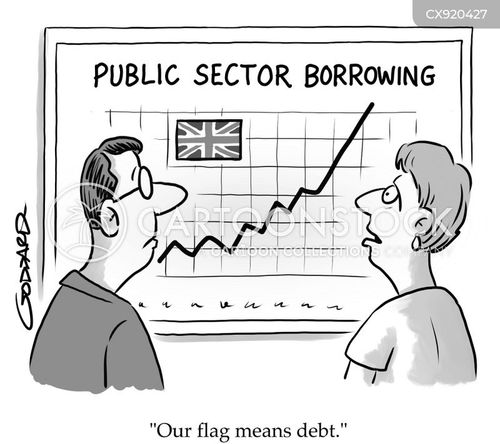
⭐ The Bottom Line
Cancelling the debt held by the Bank of England looks like wiping away a problem, but it actually damages trust, increases borrowing costs, risks inflation, and doesn’t save any real money.
In the next post, we look at the country most often cited as a counter example — Japan — and explain why even they don’t cancel their central-bank-held debt.
Discover more from Hysnaps Politics, Gaming, Music and Mental Health
Subscribe to get the latest posts sent to your email.


One thought on “Government Debt Solved: Why Not Just Cancel the Debt We Owe to Ourselves?”