Some of my posts use synthetic but realistic data to illustrate long-term structural trends in the UK labour market, welfare spending, and corporate profitability.
This explains why I’ve done this and why it is valid.
Hysnaps Politics, Gaming, Music and Mental Health
Politics, Gaming, Music, Mental Health And other stuff.. Updated when Able
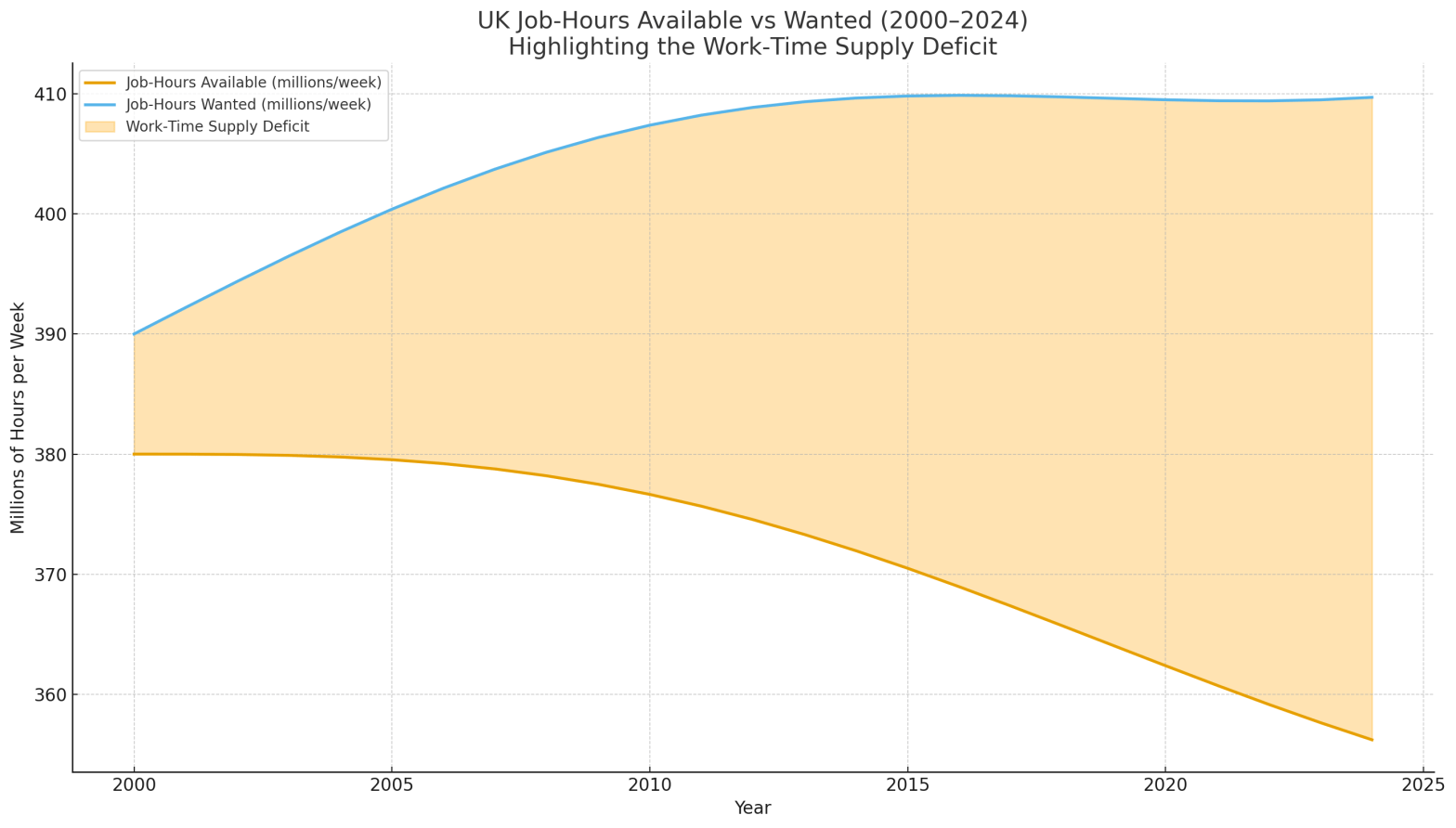
Some of my posts use synthetic but realistic data to illustrate long-term structural trends in the UK labour market, welfare spending, and corporate profitability.
This explains why I’ve done this and why it is valid.
Every so often a big, tempting question reappears in public debate:
“If the Bank of England owns 30% of UK government debt, isn’t that basically the government owing money to itself?
So why not just cancel it and instantly shrink the national debt?”
On the surface, it sounds beautifully simple., so why doesnt the Government do it?
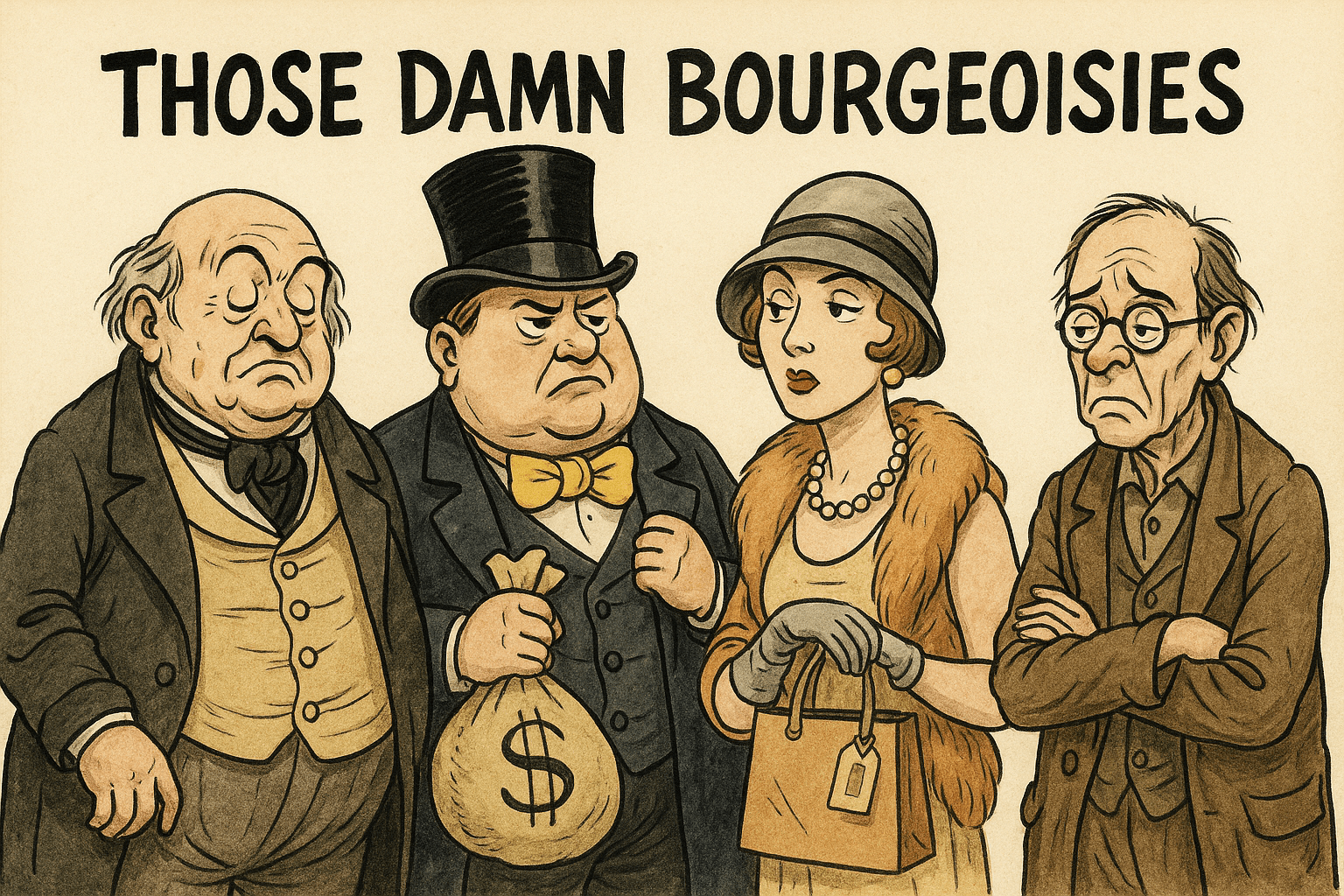
Turns out there are numerous definitions of the Marxists favourite enemy “the Bourgoisue” – so before you start preparing your revolution lets have a look at what the differences are.
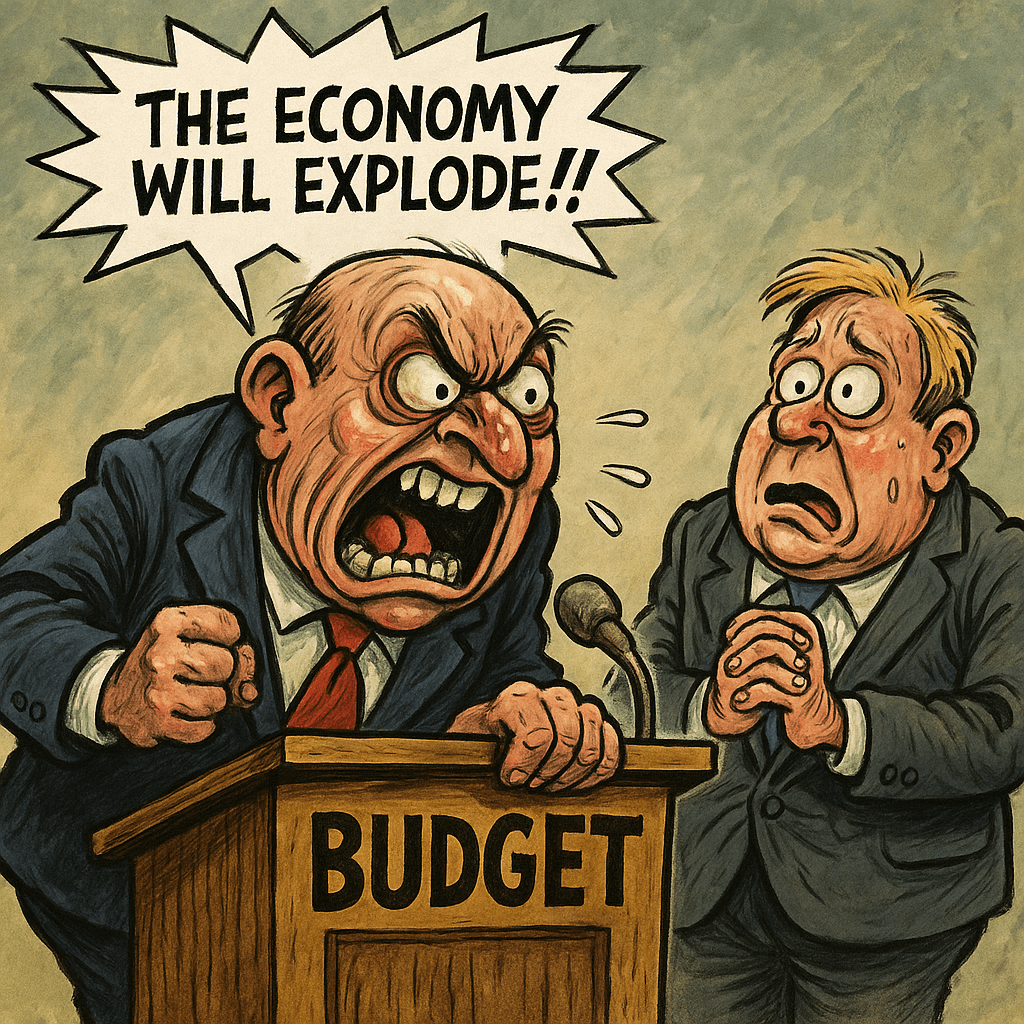
Some Budgets spark panic. Some send confidence soaring. And strangely, it isn’t the biggest tax changes that cause either reaction. Something else has been pulling the strings.
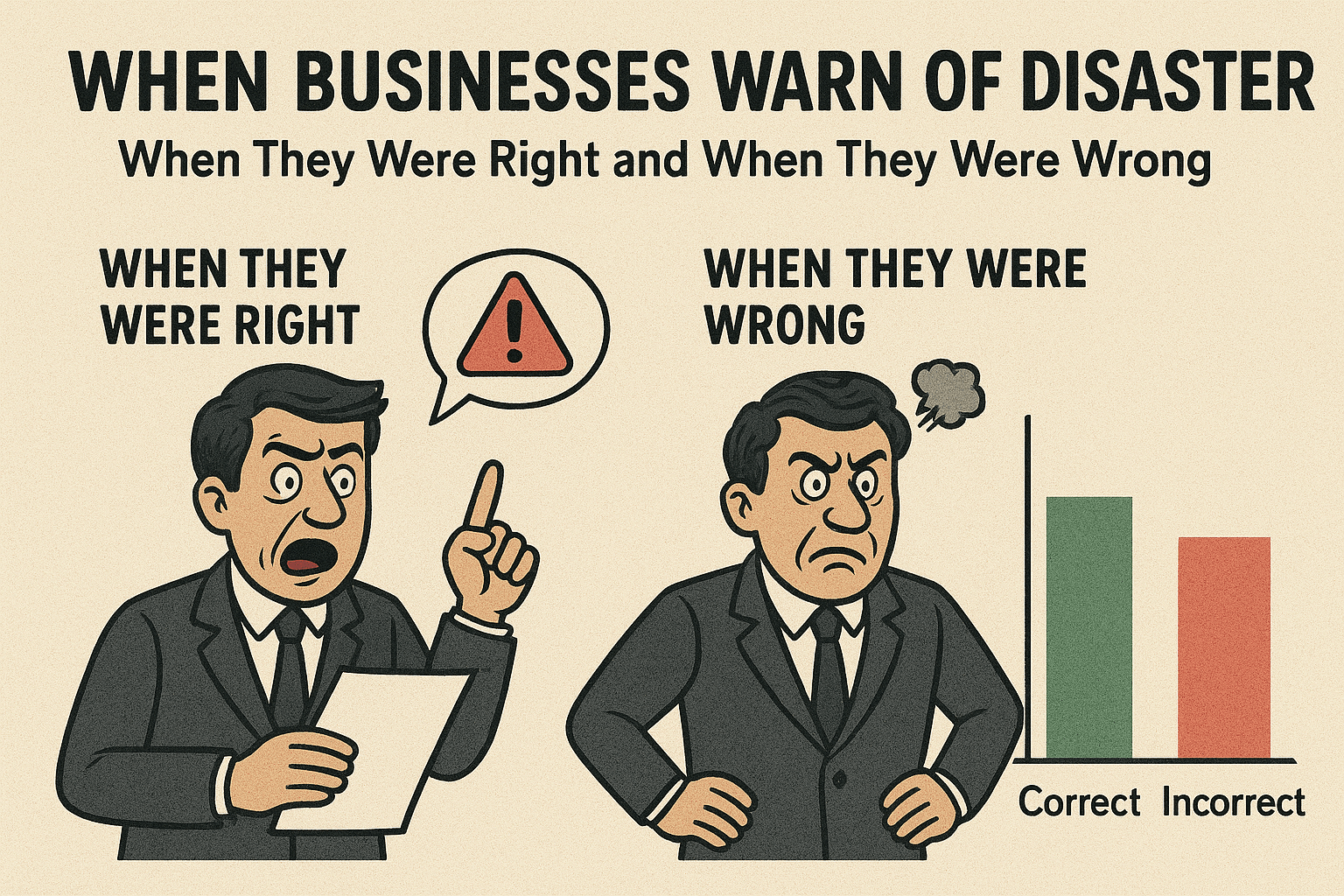
Businesses often issue strong warnings when governments introduce new Budgets, taxes or regulations. Some predictions prove accurate. Others fade quickly or are shown to be exaggerated.
I’m going to compare some major examples where businesses warned of economic damage, identifying when they were right, when they were wrong, and which political party was responsible for the Budget or policy.

AI and ML are great tools, they are not Experts. You need to validate what they tell you. a story of how my last blog post could have told a totally different story if I had not sense checked it and validated the calculations the computer did.

What Your Tax Really Buys: It’s Not a Bill, It’s a Bumper Policy! 🛡️Stop thinking of tax as a deduction—start seeing it as a collective insurance policy against life’s biggest expenses.
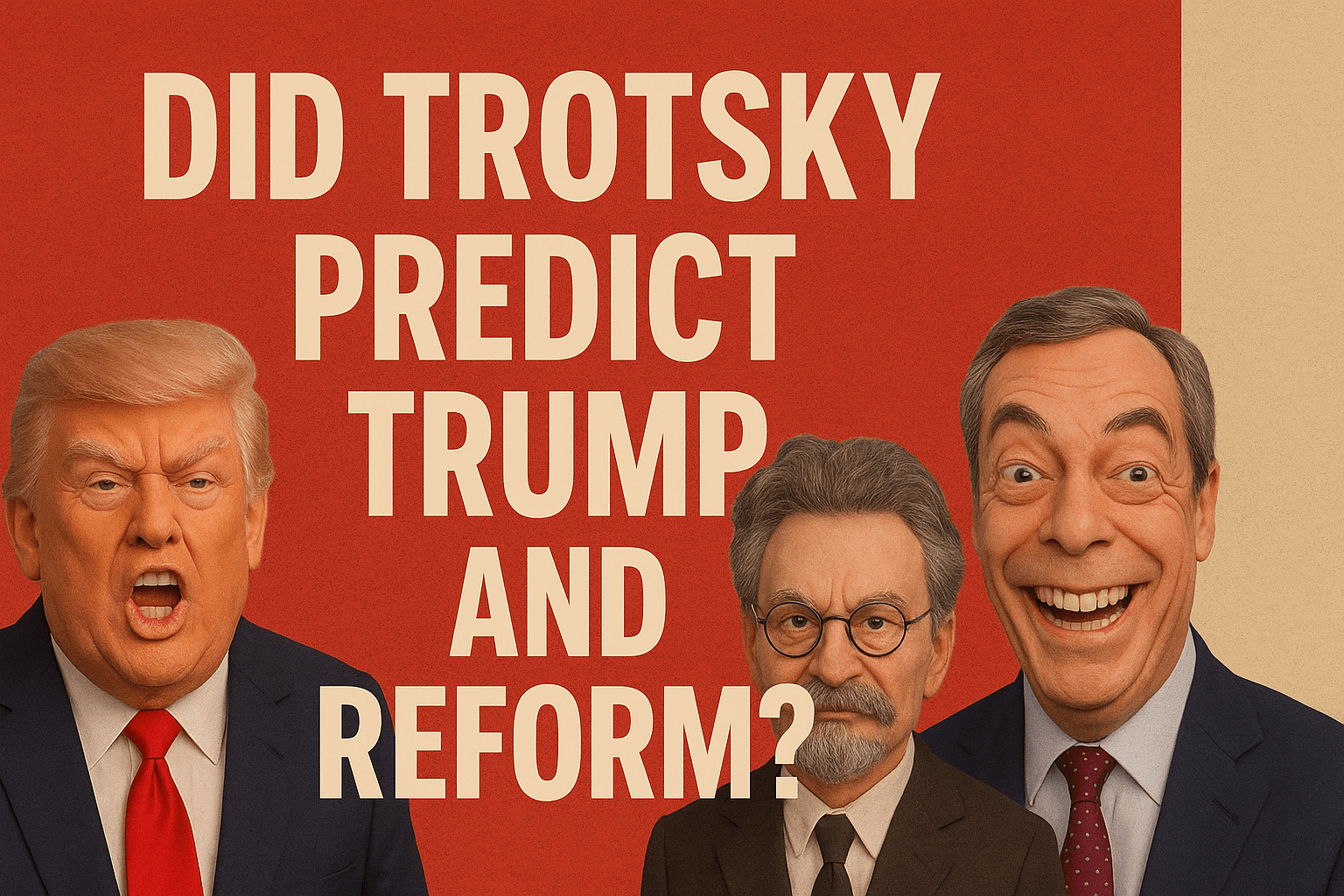
Using Trotsky’s classic 1930s analysis of fascism, this post explains how modern UK politics compares to the US experience of Trumpism — and why Nigel Farage and Reform UK, despite sharing some populist themes, are not the British MAGA. A clear, evidence-linked look at inequality, class, media, trust, and identity shaping two democracies under similar pressures but radically different outcomes.
Did Leon Trotsky accidentally predict Trumpism? In 1932, Trotsky described how fascism grows out of economic crisis, political paralysis, and a disillusioned middle class. When you compare that with late-20th and early-21st century America, the similarities are… uncomfortably recognisable. But the differences matter just as much. Here’s what Trotsky gets right — and where the comparison breaks down.
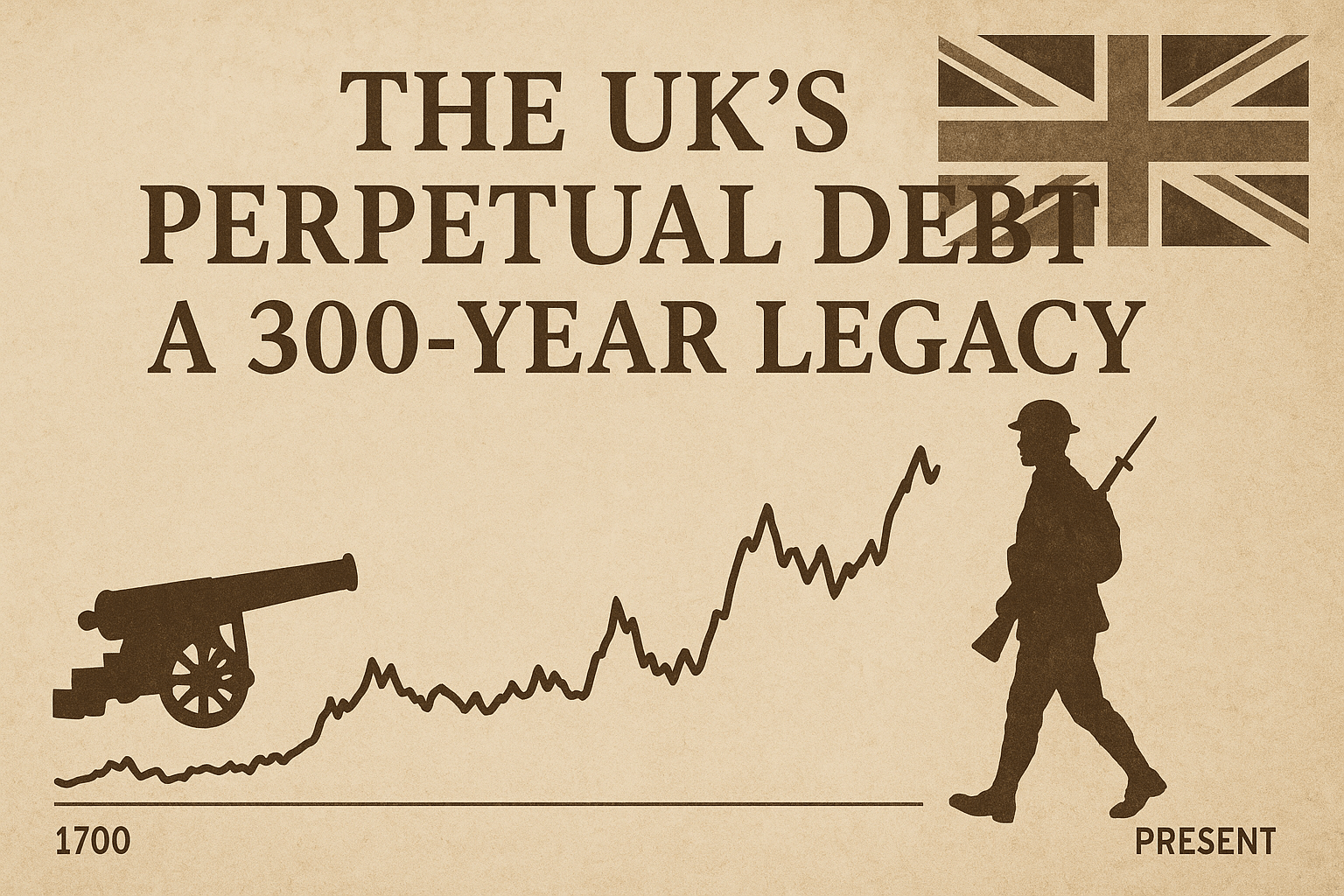
Over the last few posts, we’ve looked at how the UK’s national debt has been shaped by empire-building and war. That naturally leads to another question: did ordinary people in the 19th century push back against any of this?
The short answer: yes—loudly, and often.
