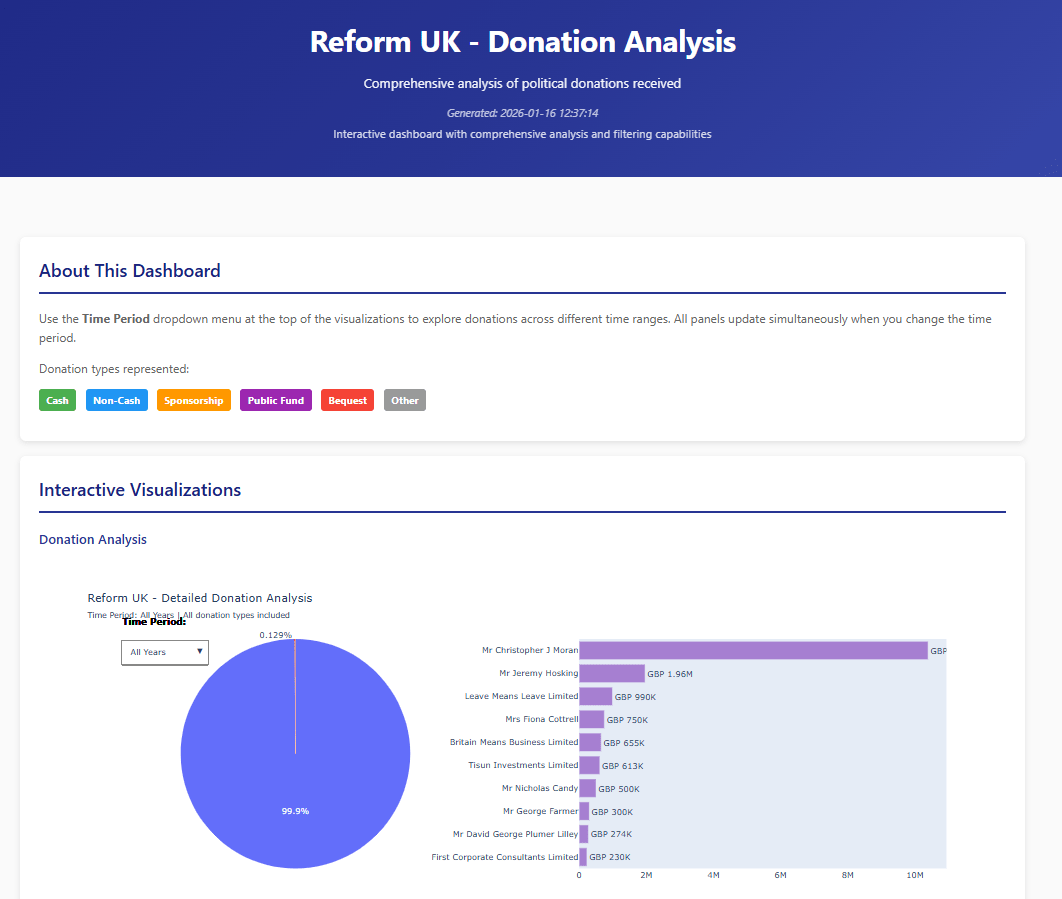
Just a quick note to say I have added more improved dashboards looking at various Socio-Economic topics. Click the image below to access them.This includes some summaries of Political Donations, Look at mortality by Socio-Economic classifications, Analysis of Cabinet Tenures and Pensions amongst other https://golder-development.github.io/UK_Socio_Economic_Modelling/generated_charts/ .
Author Archives: Hysnap - Gamer and Mental Health sufferer
Lets Rethink Policy-Making: Humans Have a Habit of Being Unpredictable.
We often reach for new laws when something feels wrong — but rarely stop to ask what happens next. This post explores why people don’t respond to policy the way we expect, how concern turns into moral panic, and why evidence helps virtue work better, not worse.
Lets Rethink Policy-Making: Why Virtue Works Best with Evidence
By this point in the series, one thing should be fairly clear.
Free speech doesn’t disappear because someone wakes up one morning and decides to ban it. It erodes because systems slowly stop rewarding tolerance, disagreement, and long-term thinking — and start rewarding caution, control, and short-term risk management.
That brings us to something we’ve only circled so far, but haven’t named directly:
How power is distributed matters as much as what the law says.
Lets Rethink Free Speech: Why Electoral Systems Impact on it?
By this point in the series, one thing should be fairly clear.
Free speech doesn’t disappear because someone wakes up one morning and decides to ban it. It erodes because systems slowly stop rewarding tolerance, disagreement, and long-term thinking — and start rewarding caution, control, and short-term risk management.
That brings us to something we’ve only circled so far, but haven’t named directly:
How power is distributed matters as much as what the law says.
Lets Rethink Free Speech: When Decline Occurs – What Actually Stops it.
Up to now, this series has been a bit uncomfortable.
We’ve looked at how free speech in the UK isn’t ancient or absolute, how it’s conditional, qualified, and increasingly enforced by culture and institutions rather than courts.
We’ve looked at how uncertainty, anxiety, and risk-aversion do a lot of quiet work without anyone ever needing to pass a censorship law.
At this point, a fair question arises:
Isn’t this all a bit… disheartening?
And more importantly:
Has this ever been spotted and stopped?
A Message about humanists.
A Message about humanists.
So the Humanists UK has created this interesting, admittedly aimed at recruitment, video. The voice over is by one of. probably. the best known humanists – Stephen Fry, and it is a fair introduction into what being a humanist means, what humanists Uk does, and possibly will help others, like me, realise they are not alone.
Lets Rethink Free Speech: So what happens when the law is vague?
Here’s the odd thing.
If you look only at the law, you might think free speech in the UK is reasonably well protected. It’s qualified, yes — but courts draw lines, there are principles, and there are clear cases where speech is defended.
But if you look at how people actually behave — what they say, what they don’t say, what organisations allow, and what quietly disappears — something else is going on.
When the rules are unclear, and the consequences are social rather than legal, people don’t wait to find out where the line is.
They stay well back from it.
Lets Rethink Free Speech: What “Subject to” Actually Means.
So a slight change in my normal tone of voice for the bit – cos its important and I also don’t want to lead anyone a stray, so sorry its gonna get a bit dry – but there is a nice picture at the end.
How the Human Rights Act Has Limited (and Protected) Freedom of Speech in the UK
Lets Rethink Free Speech: If not the Magna Carta then Where?
If you’ve stayed with me this far, we can now clear something up.
If free speech in the UK didn’t emerge from Magna Carta — and it didn’t — then it wasn’t “invented” in a single moment at all. It arrived slowly, unevenly, and often by accident, shaped less by grand declarations and more by political conflict, religious struggle, and institutional convenience.
Lets Rethink Free Speech: Why January 9th is Important
Fittingly, January 9th, is the birthday of people who made a career out of using their voices: protest singer Joan Baez, and philosopher Simone de Beauvoir, both of whom understood that speech is never just about saying things — it’s about who gets heard, and at what cost.
Which brings us neatly to the question at the heart of this post: what do we in the UK actually mean when we talk about free speech — and how close is that to the reality we live with today?
