
Continuation of my look at the societal impact of longer lifetimes and the success of modern medicine.
Category Archives: Politics
The Infinite Horizon: When Living Longer Becomes a Debt to the Future
Introduction We talk about life expectancy like it’s a victory lap—and in many ways, it is. The gift of a longer life is a profound success story woven through modern medicine, sanitation, and public resolve. Yet, every gift comes with a price tag, often hidden until the bill arrives.
Funding Growth: A potential for the UK

Britain’s core economic problem, is that too much power is concentrated in Whitehall. By attempting to run the entire country from a single postcode, the central state becomes overstretched, risk-averse, and ultimately ineffective at delivering major projects.
Beyond the Books: Education as a Firewall Against Extremism – Building Resilient Democracies

The post emphasizes the link between declining public education investment and rising political polarization in the UK and Europe. It advocates for prioritizing quality education, focusing on critical thinking, civic education, empathy, and addressing inequalities to build a more cohesive society. Collective action from governments and communities is essential for reversing these trends.
The Voting Revolution: So Proportional Representation in the UK is a new Idea.. Wrong
PR in the UK isn’t new — it’s a 150-year debate. From limited and cumulative votes in the 19th century to STV in university seats, devolved parliaments and the 2011 AV referendum, proportional systems have long been part of Britain’s electoral story.
The Poverty Politics: Income Inequality and its impact on Political attitudes.
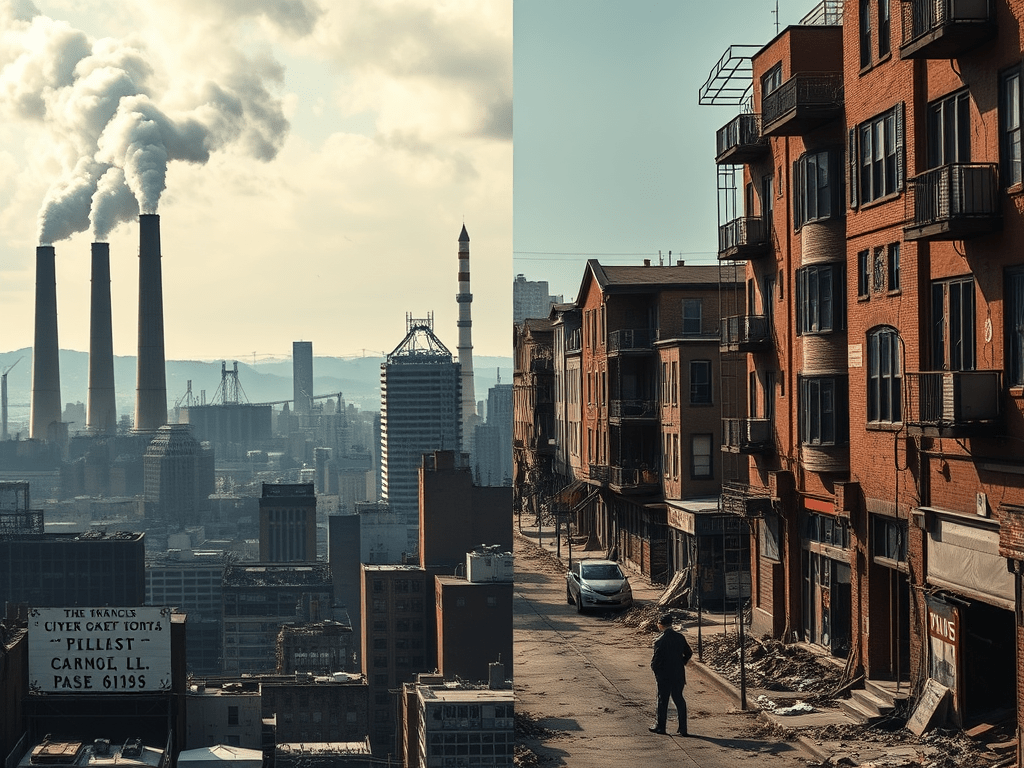
A look at the evidence of how income inequality impaccts political attitudes based of reputable sources.
Polite Troll Bashing: A facebook discussion
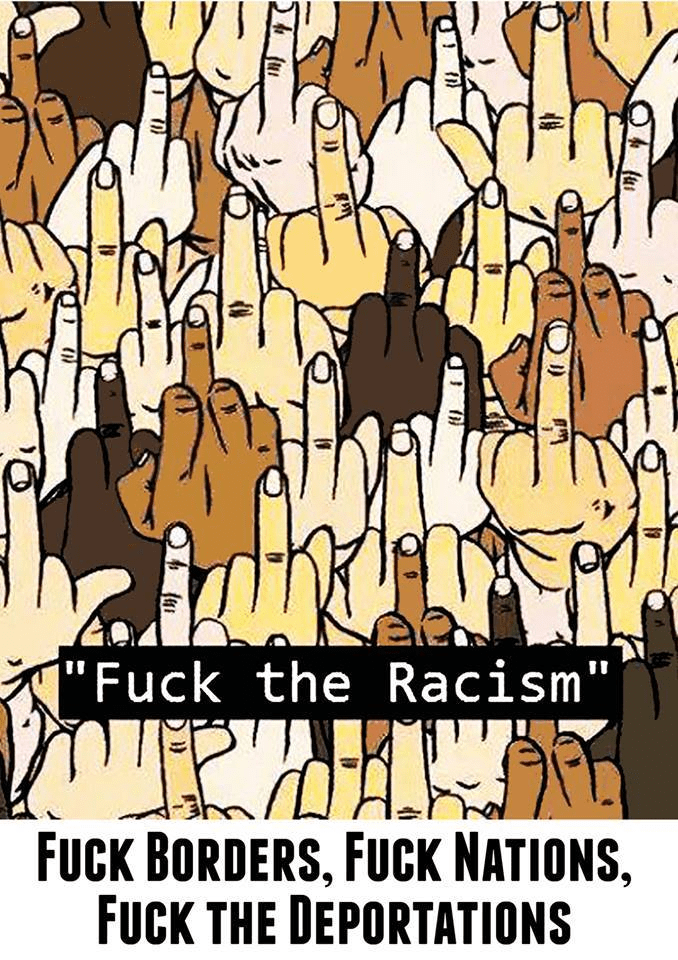
So I fell into having a politcal discussion on Facebook, all due to a simple image. This post outlines the discussion and also provides a link to a more structured response.
The Quiet Erosion: Is Declining Education Investment Fuelling Our Political Divide?
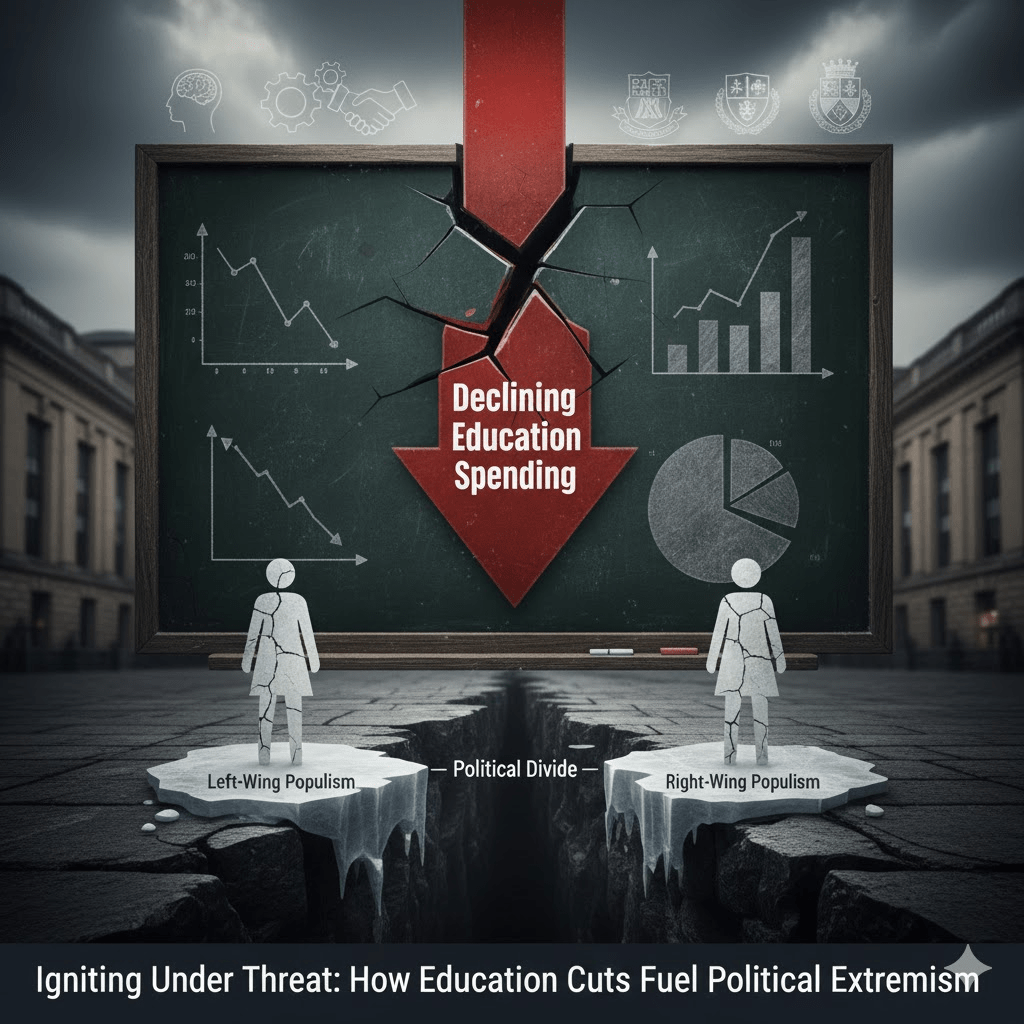
The content discusses the significant connection between declining public investment in education and increasing political polarization in Europe. It highlights how inadequate education undermines critical thinking, civic skills, and opportunity, leading to alienation and disillusionment. This environment enables radical ideologies to thrive, exacerbating societal divisions between political extremes.
The Money Trail: UK & European Education Spending – A Partisan Story of Polarization
The post examines the correlation between UK education spending and political shifts from 1946 onwards. Declines under Conservative governments align with rising populism, while Labour governments prioritized education investment. Austerity measures lead to voter disengagement and support for radical parties. The upcoming conclusion will address implications for democracy and education’s role.
Why Calling Leftism a “Cancer” Misses the Point

Calling leftism a disease ignores evidence. Social-democratic policies aren’t about extremist control — they’re about building resilient, accountable societies that serve people fairly. The real cancer is unchecked power: concentrated wealth, weak institutions, and authoritarian impulses.
