

Ever wondered why UK laws feel outdated the moment they’re written? I’ve been exploring a surprisingly simple fix: write laws around the harm to the victim, not the exact action. It’s a lot less crazy than it sounds…
Tag Archives: global politics
What Happens When We Stop Letting Money Run Our Politics?

Britain is increasingly an outlier in how it funds political parties and election campaigns. While other democracies use public grants, matching funds, donation caps, or voter-controlled democracy vouchers, the UK still relies heavily on private wealth — creating distortions, donor influence, and barriers to participation.
This post explores how international public funding models work, how they reduce donor leverage, why they don’t restrict free speech, and what would happen if Britain adopted similar reforms. It also examines the overlooked “loss of deposits” rule, a financial barrier that disproportionately affects smaller parties and independent candidates.
Government Debt Solved: What Has Actually Worked to Reduce Government Debt? (And Why It Isn’t What You Think)
After five posts exploring why the usual “easy fixes” don’t work
cancelling central bank–held debt,
copying Japan,
inflating the debt away,
stopping borrowing,
selling assets,
taxing the rich to make it all go away
…we end with the obvious question:
So what has historically worked to reduce government debt?
And the answer will either surprise people — or confirm what some have quietly suspected all along:
Government Debt Solved: Why Not Get the Work Shy to work?
Every debate on “work-shy Britain” circles back to two supposed fixes:
Just make people take the jobs.
Cut benefits until they do.
Both feel satisfying.
Neither explains why millions already work, can’t get enough hours, or still rely on support to survive.
Government Debt Solved: Why Not Sell Off Assets or Tax the Rich to Pay Off the Debt?
When people look at the national debt, two more “easy fixes” appear:
Sell government assets to pay it down.
Tax the rich heavily — surely they can cover it.
Both ideas contain a grain of logic, would they work?
Government Debt Solved: Why Not Let Inflation Erase the Debt or Just Stop Borrowing?
When governments face rising debt, two familiar “common-sense” solutions appear:
Let inflation rise — that shrinks debt in real terms.
Stop borrowing altogether — just live within our means.
Both ideas sound tidy and responsible. But are they?
Government Debt Solved: Why Not Copy Japan’s Magic Debt Solution?
When people hear that Japan has government debt of more than 250% of GDP, a common question is:
“If Japan can run huge debt and keep borrowing costs near zero, why can’t we just copy their model?”
It’s a fair challenge — on the surface, Japan looks like it has cracked the code of modern debt management.
Those Damn Bourgeoisies — Wait, Which Ones Do We Mean?
Turns out there are numerous definitions of the Marxists favourite enemy “the Bourgoisue” – so before you start preparing your revolution lets have a look at what the differences are.
Business Budget Warnings: Whether they get it right or wrong
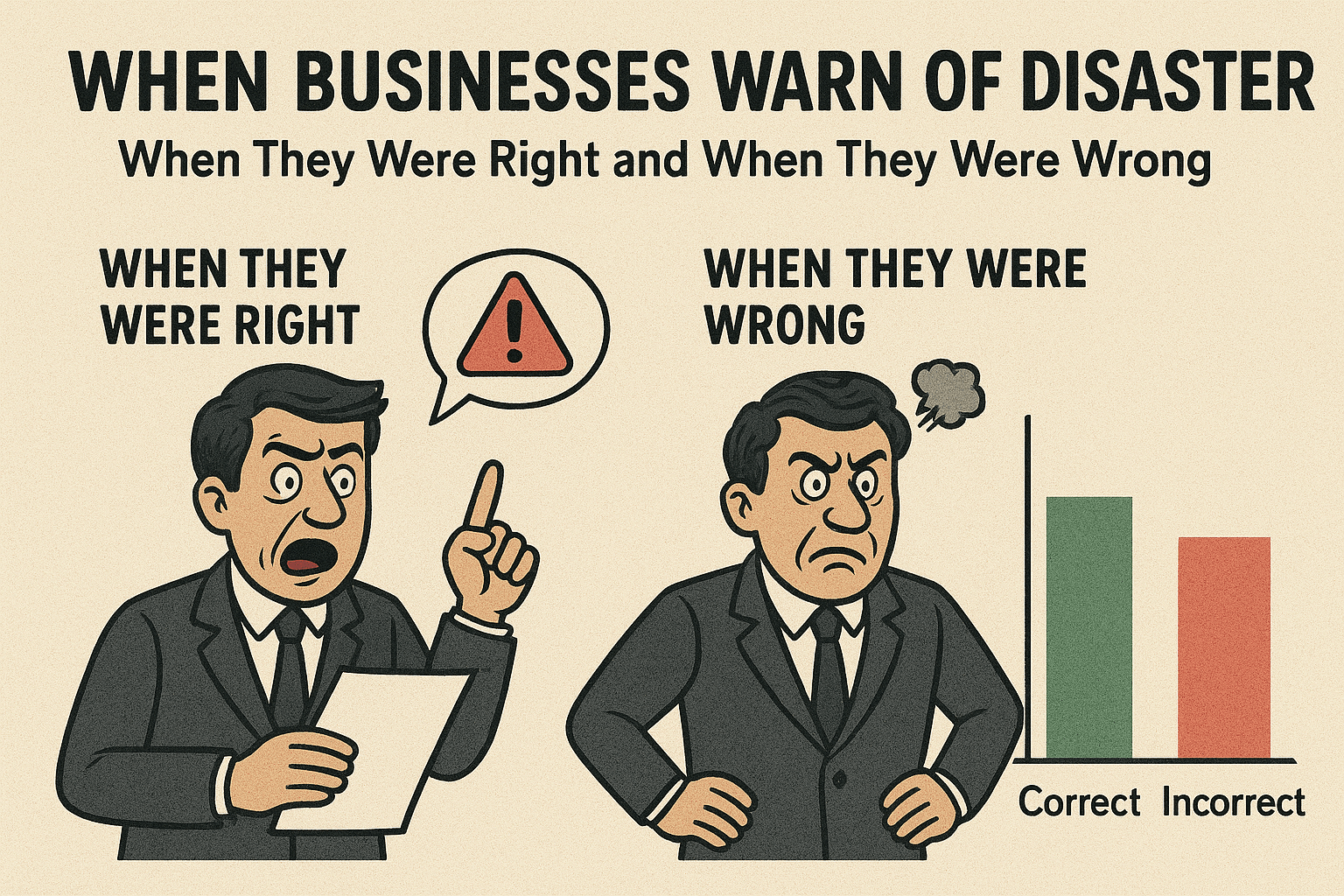
Businesses often issue strong warnings when governments introduce new Budgets, taxes or regulations. Some predictions prove accurate. Others fade quickly or are shown to be exaggerated.
I’m going to compare some major examples where businesses warned of economic damage, identifying when they were right, when they were wrong, and which political party was responsible for the Budget or policy.
Reform Isn’t Trumpism: What Trotsky Can (and Can’t) Teach Us

Using Trotsky’s classic 1930s analysis of fascism, this post explains how modern UK politics compares to the US experience of Trumpism — and why Nigel Farage and Reform UK, despite sharing some populist themes, are not the British MAGA. A clear, evidence-linked look at inequality, class, media, trust, and identity shaping two democracies under similar pressures but radically different outcomes.
