

The UK’s political system isn’t broken — it’s working exactly as designed, just not for the public. This article explores how donor influence, privatisation, short-term politics, declining education, rising inequality and “swing” governance have created a nation stuck in permanent crisis. From the sale of nationalised industries to the collapse of social care and chronic underinvestment, the evidence points to one conclusion: without strict limits on political donations and a shift toward stable, boring, long-term politics, the UK cannot rebuild trust, prosperity or democratic resilience. Preventative, predictable governance is not radical — but demanding it in a donor-driven system is. This is why I am a radical leftist: because the system needs more than nudges; it needs rebuilding.
Tag Archives: Politics
UK’s Low Investment: How Our Voting System (FPTP) Affects Government Investment.

FPTP and its impact on UK Governemental and Business investment. Does it compound the issue or have no effect?
UK’s Low Investment? A Look at Our Public & Private Investment Gap
When people talk about the UK’s economic stagnation — sluggish growth, creaking infrastructure, stagnant wages, productivity going nowhere — investment sits quietly in the background as the fundamental root cause. And once you look at the numbers, one thing becomes clear:
Government Debt Solved: What Has Actually Worked to Reduce Government Debt? (And Why It Isn’t What You Think)
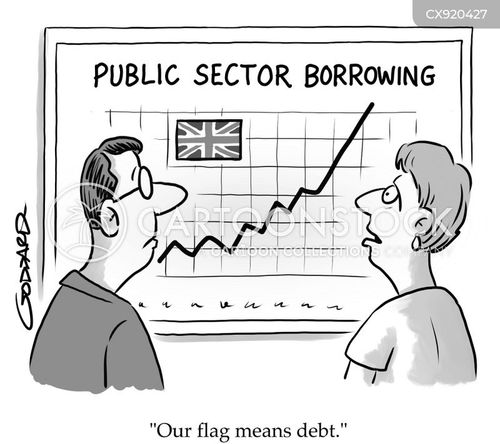
After five posts exploring why the usual “easy fixes” don’t work
cancelling central bank–held debt,
copying Japan,
inflating the debt away,
stopping borrowing,
selling assets,
taxing the rich to make it all go away
…we end with the obvious question:
So what has historically worked to reduce government debt?
And the answer will either surprise people — or confirm what some have quietly suspected all along:
Government Debt Solved: Why Not Get the Work Shy to work?
Every debate on “work-shy Britain” circles back to two supposed fixes:
Just make people take the jobs.
Cut benefits until they do.
Both feel satisfying.
Neither explains why millions already work, can’t get enough hours, or still rely on support to survive.
Government Debt Solved: Why Not Sell Off Assets or Tax the Rich to Pay Off the Debt?
When people look at the national debt, two more “easy fixes” appear:
Sell government assets to pay it down.
Tax the rich heavily — surely they can cover it.
Both ideas contain a grain of logic, would they work?
Government Debt Solved: Why Not Let Inflation Erase the Debt or Just Stop Borrowing?
When governments face rising debt, two familiar “common-sense” solutions appear:
Let inflation rise — that shrinks debt in real terms.
Stop borrowing altogether — just live within our means.
Both ideas sound tidy and responsible. But are they?
Government Debt Solved: Why Not Copy Japan’s Magic Debt Solution?
When people hear that Japan has government debt of more than 250% of GDP, a common question is:
“If Japan can run huge debt and keep borrowing costs near zero, why can’t we just copy their model?”
It’s a fair challenge — on the surface, Japan looks like it has cracked the code of modern debt management.
Government Debt Solved: Why Not Just Cancel the Debt We Owe to Ourselves?
Every so often a big, tempting question reappears in public debate:
“If the Bank of England owns 30% of UK government debt, isn’t that basically the government owing money to itself?
So why not just cancel it and instantly shrink the national debt?”
On the surface, it sounds beautifully simple., so why doesnt the Government do it?
Those Damn Bourgeoisies — Wait, Which Ones Do We Mean?
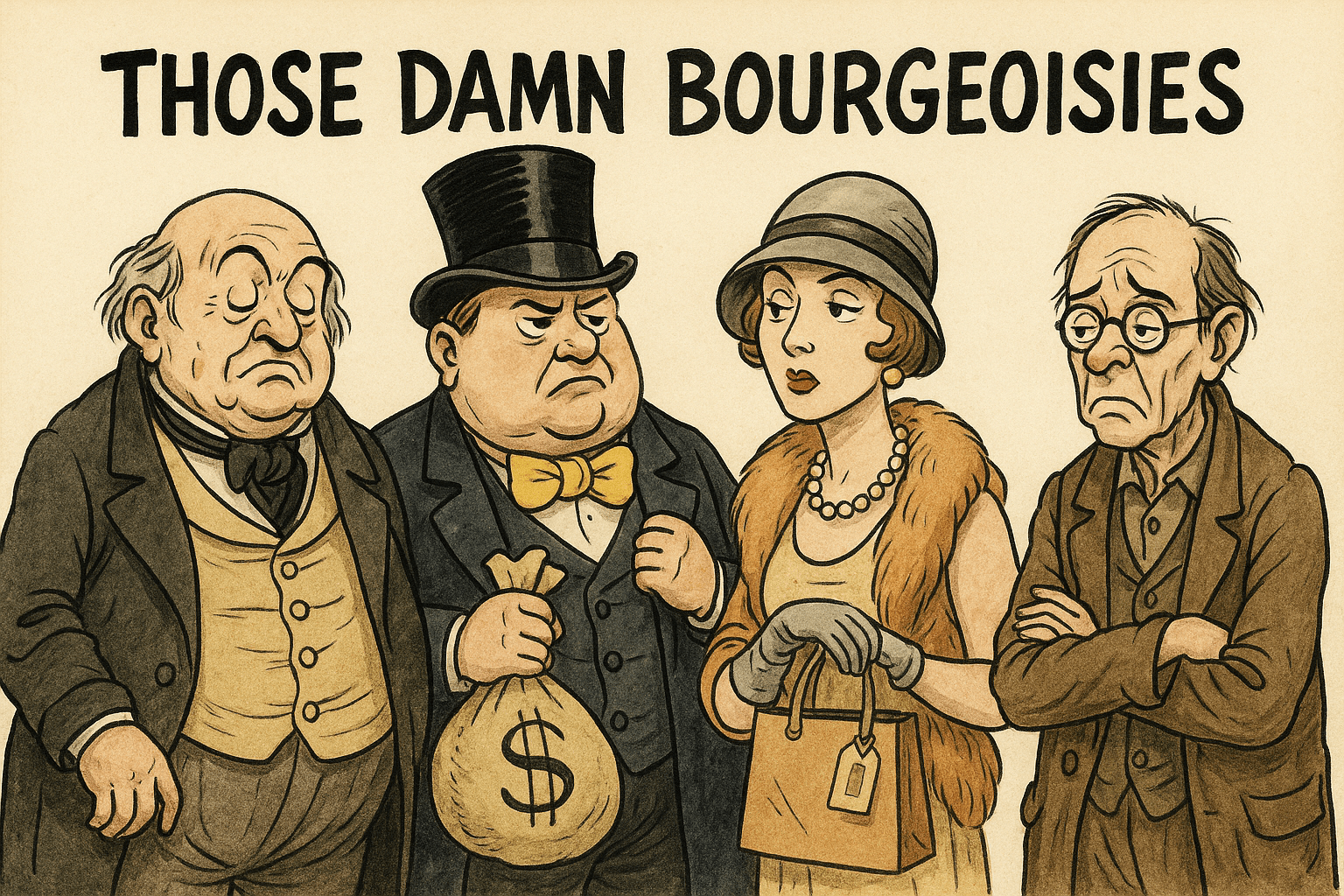
Turns out there are numerous definitions of the Marxists favourite enemy “the Bourgoisue” – so before you start preparing your revolution lets have a look at what the differences are.
