Why Boring Politics Might Save Us All

After over 27 days of digging through inequality, privatisation, democratic distortions, collapsing social care, slashed education budgets, chronic underinvestment, donor capture, and the small matter of Brexit, the conclusion is painfully obvious:

The UK’s political system isn’t broken.
It’s working exactly as designed — just not for most of us.

Yet ask any business leader, economist, or investor what they want and they’ll tell you the same thing:

“Please, stop swinging wildly between ideological extremes and give us something predictable.”

Please give us BORING politics

Boring politics is how countries become wealthy.
Boring politics is how crises are prevented.
Boring politics is how you attract investment.
Boring politics is how you rebuild trust.

Yes so at the end of this No wild solutions, just a plea for stability and long term thinking.

Computer Says ####: Why you should never Trust A Computer

AI and ML are great tools, they are not Experts. You need to validate what they tell you. a story of how my last blog post could have told a totally different story if I had not sense checked it and validated the calculations the computer did.

Civilisations Real Cost: UK Tax vs. The Private Market Price Tag

What Your Tax Really Buys: It’s Not a Bill, It’s a Bumper Policy! 🛡️Stop thinking of tax as a deduction—start seeing it as a collective insurance policy against life’s biggest expenses.

The Unhappy Masses: 19th Century Public Protests

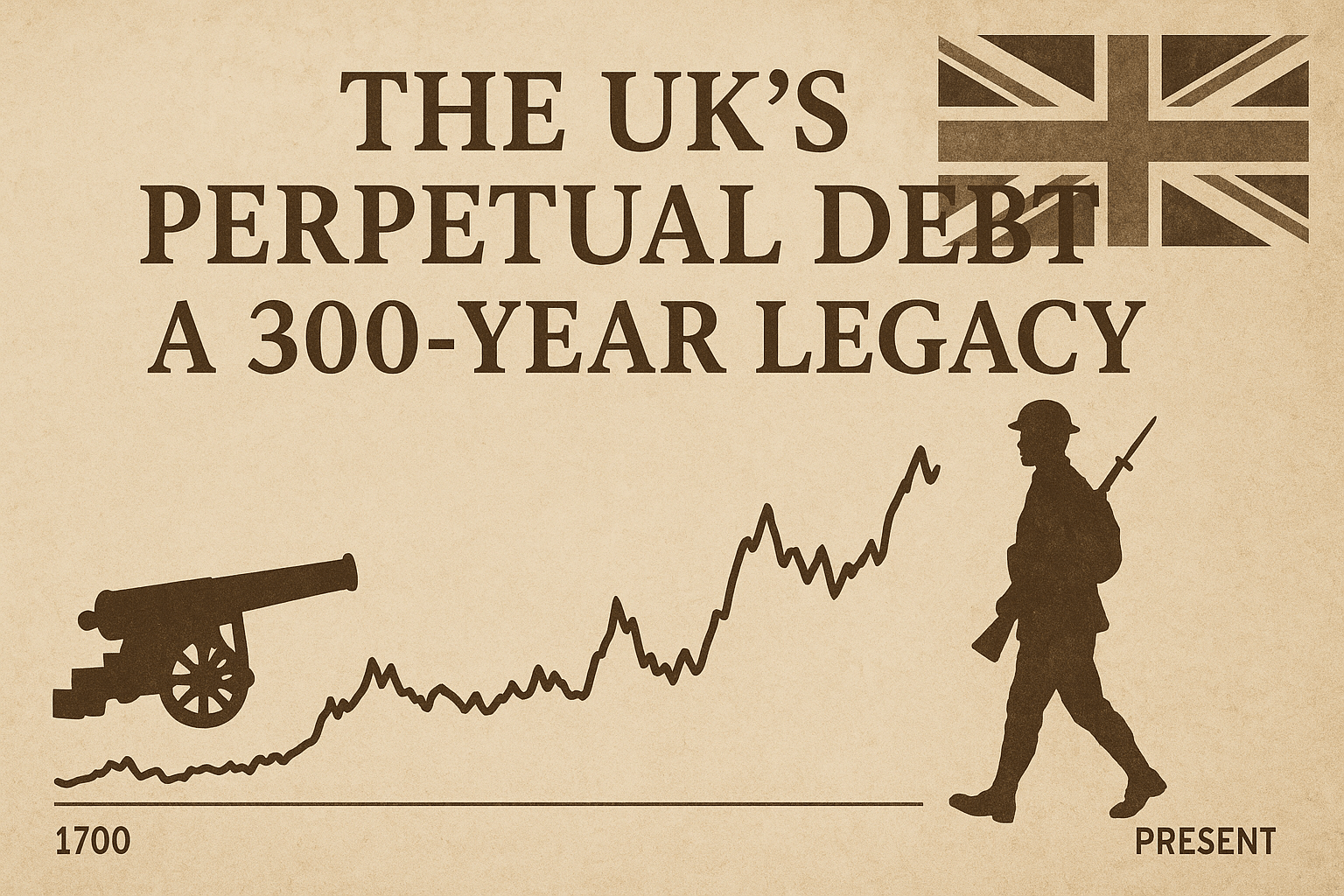
Over the last few posts, we’ve looked at how the UK’s national debt has been shaped by empire-building and war. That naturally leads to another question: did ordinary people in the 19th century push back against any of this?
The short answer: yes—loudly, and often.

The Empirical Benificiaries: Who in the UK saw the rewards of the Empire.

So having looked at how the UK’s national debt is related to Large wars and the maintenance of the Empire this asks the question , was it beneficial to the majority of UK citizens?.

Funding Growth: A potential for the UK

Britain’s core economic problem, is that too much power is concentrated in Whitehall. By attempting to run the entire country from a single postcode, the central state becomes overstretched, risk-averse, and ultimately ineffective at delivering major projects.

Why Calling Leftism a “Cancer” Misses the Point

Calling leftism a disease ignores evidence. Social-democratic policies aren’t about extremist control — they’re about building resilient, accountable societies that serve people fairly. The real cancer is unchecked power: concentrated wealth, weak institutions, and authoritarian impulses.